The court wants all civil, family, and probate filings to be completed via its portal. Digital signatures, PDF forms, and hard document rules are here to stay. To assist, the court provides step-by-step guides, specific deadlines, and a help desk for typical issues. Filing fees are paid online,e and receipts arrive via email. Court staff reviews every file for errors quickly, so delays decrease. In 2025, new changes make e-filing more seamless and secure for sensitive information. This post shares the key rules, tips for smooth filing, and what attorneys need to double-check before transmitting papers.
Key Takeaways
- E-Filing at Alameda County Superior Court, what attorneys need to Know in 2025. Attorneys must review Alameda County Superior Court’s updated 2025 e-filing requirements for mandatory versus permissive cases, including the latest exemptions and local rules.
- System protocols, technical specifications, and new fees for e-filing at Alameda County Superior Court: what attorneys need to know in 2025
- Using correct file formatting, bookmarks, hyperlinks, and large file protocols will make documents easier to review and less likely to be rejected.
- Being proactive about finding and fixing technical, procedural, and fee errors reduces filing rejections and keeps cases moving.
- Knowing courtesy copy requirements and department-specific rules keeps you fully and timely compliant with court procedures.
- These simple steps, building strong verification routines, buffers for submissions, and ongoing staff education, will continue to fortify your practice’s resilience as e-filing systems evolve and keep your advantage razor sharp.
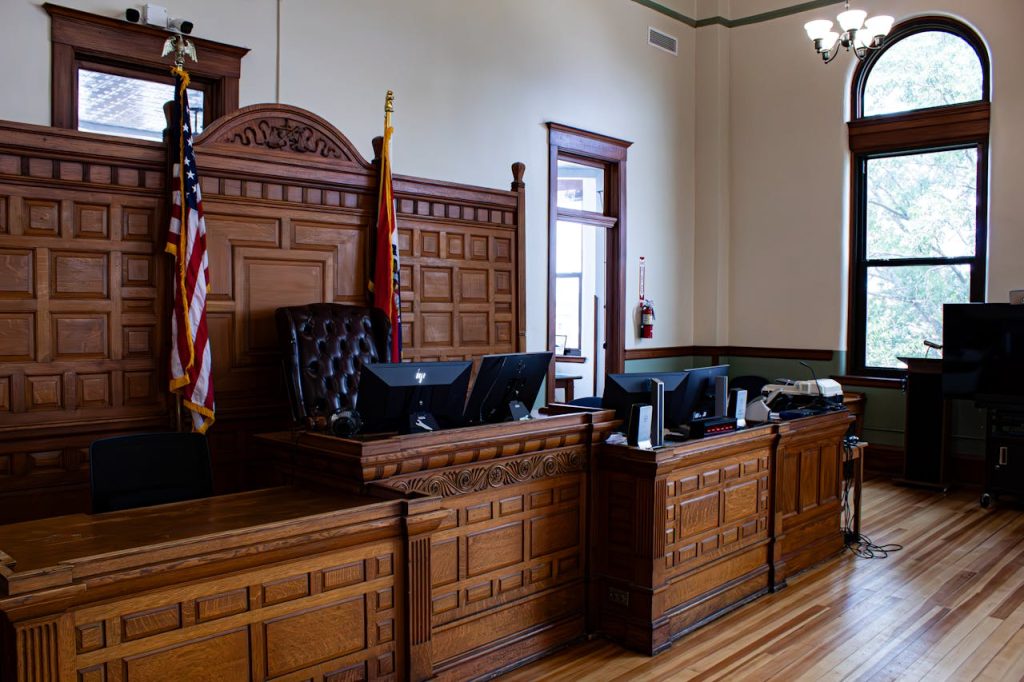
Alameda County E-Filing Fundamentals
E-filing is now central to civil litigation in Alameda County, particularly for various civil case types. For attorneys, understanding which case types require electronic filing and the associated filing rules is crucial. Knowing these fundamentals not only ensures compliance but also helps prevent costly errors in legal filings.
Mandatory Cases
- General civil cases, such as contract disputes, personal injury, real property, employment, and tort, have to be e-filed if a party has an attorney. Probate, family law,w and complex litigation cases will require e-filing.
- The e-filing portal is open 24 hours a day, 7 days a week. If you file after midnight, the court treats it as filed the next business day. This even counts if you file late at night or on the weekend.
- If you fail to e-file by the designated deadline, your paper could be rejected or late-stamped, potentially impacting your case’s momentum or court orders.
- Have everything ready, check file sizes (no more than 25 MB each), and format. Certain filings, such as bonds or subpoenaed documents, may require additional steps or special handling, so consult local requirements carefully.
Permissive Cases
- E-filing in permissive cases saves time, reduces paper, and allows you to file from anywhere with an internet connection.
- Swift e-filing accelerates your documents, minimizes clerical mistakes, and provides instant receipt confirmation.
- Alameda County’s local rules specify which cases you may electronically file as you wish. Check their updated guidelines because rules often change by case type or system upgrades.
- Selecting e-filing for permissive cases can assist with deadlines. Do keep in mind upload caps and outages. Filing at least one day early minimizes the possibility of a late file stamp.
Exemptions
Certain cases are not subject to e-filing, including self-represented litigants and some criminal filings. Documents requiring original signatures or certified copies may still be submitted via fax or hand delivery. To file exempt papers, follow the court’s procedures at the courthouse or through fax filing. Ensure you include supporting paperwork, such as declarations and evidence of ineligibility for e-filing, to warrant exemption. Stay updated on court notices, as filing rules and procedures can change annually.
Mastering The 2025 E-Filing Process
To stay ahead of the 2025 Alameda County Superior Court e-filing process, understanding the latest court rules and filing mandates is crucial. E-filing delivers quickness and efficiency, especially for urgent filings. Doing it right requires attention to new electronic filing procedures, technical requirements, fees, integration, and contingencies.
1. New System Protocols
The court’s procedures currently mandate these for all electronic filing documents. Nearly all civil, probate, and family cases are mandatory for e-filing, with only a few continuing to be permissive or exempt; always confirm the current filing rules for case types. EFSPs serve as the intermediary between attorneys and the court’s interface, guiding users through the filing process and providing confirmation. Procedures change frequently, so it’s essential to sign up for court newsletters and EFSP updates to stay ahead of any deadline-related surprises. Regular team training on e-filing platforms and new security protocols is crucial for maintaining compliance and efficiency.
2. Technical Specifications
Documents must be in PDF format, and county rules regarding electronic filing are subject to change. ALWAYS check before you file. File size limits are 25 MB per document and 60 MB per transaction, which are stringently applied, requiring oversized documents to be divided or compressed. Naming conventions like “AlamedaCountyCaseNumber_DocumentType_Date.pdf” help avoid mix-ups and denial. Before each deadline, conducting a compatibility check between your local software and the court’s portal can prevent last-minute technical headaches and ensure your legal filings are properly court-rendered.
3. Updated Fee Structures
The 2025 fee structure includes a standard e-filing transaction fee and court-imposed filing fees, which can significantly impact your budget. It’s essential to stay informed about the fee waiver application process for eligible cases, as these are all done online. Be sure to read the filing rules thoroughly, since applications lacking required information may face common filing rejections. Fee updates are seasonal, so visit the court’s e-filing fee schedule page and set reminders to check every quarter.
4. Integration Capabilities
While most new-age CMS systems have e-filing integration built in, not all provide advanced features like batch filing or real-time status updates. Third-party electronic filing service providers (EFSPs) offer additional flexibility and finer integration with your workflows. Working with IT staff, the electronic filing system is constantly updated and secure, minimizing downtime and maintaining compliance with filing rules. Advanced features such as automated document assembly can simplify legal filings.
5. Downtime Contingencies
Downtime is infrequent but unsettling, especially when it affects urgent filings. To accommodate unplanned outages, maintain a 24-hour buffer ahead of court deadlines. For emergency filings, fax or hand delivery is acceptable; just be aware of the filing rules beforehand. Warn clients of potential delays and consult the court’s online status page for up-to-the-minute updates on filing status. Security checks are crucial, so periodically audit your system for vulnerabilities and change passwords to reduce risk.
Perfecting Your Document Submission
Submission perfection counts for most in electronic filing at Athe lameda County Superior Court. With clerks sorting through hundreds of court documents under time pressure, perfect adherence to all filing rules and procedural demands is crucial. Courts want details correct, and overlooking some small formatting rule or deadline could cause an expensive delay or outright rejection. Getting the fundamentals, such as file format, formatting, navigation tools, and large file handling, down saves you time and earns you goodwill with court personnel.
File Formatting
Everything should be in PDF format for electronic filing, as this guarantees the file will appear as designed on the court’s system and is compatible. Double-check each file for blank or partial pages, as incomplete forms or missing signatures are frequent causes for rejection. It’s essential to adhere to filing rules by using a normal font size of 12-point and leaving at least 1 inch (2.5 cm) margins on all sides. Court rules dictate accepted file types for exhibits or supporting materials, so check recent local rules before submitting. Clever filing tips and e-filing solutions can catch errors before you send.
Bookmarks And Hyperlinks
Bookmarks are essential for long documents, such as motions and briefs, as they facilitate quicker navigation for reviewers. By incorporating bookmarks into your headings, exhibits, or appendices, you enhance the efficiency of legal filings. Ensure that hyperlinks refer to related court documents within the same document, and verify their functionality to direct to the correct location. It’s crucial to adhere to the court’s specifications for document bookmarks and links, as some courts may mandate a bookmark table of contents with active links, while others may prefer basic navigation. Absent bookmarks or junk links can lead to delays in processing, impacting filing deadlines.
Large File Protocol
File size limits are firm, especially in the context of electronic filing solutions. Most systems refuse any single file bigger than the posted maximum. To ensure compliance with e-filing procedures, minify images and files to reduce their size without sacrificing quality. For really large legal filings, break the filing up into different PDF files and name them each very clearly. After uploading, confirm each file has been received and accepted by the e-filing portal, especially if you submit near court hours, since anything after 16:00 will not be processed until the next business day.
The Proposed Orders
Create proposed orders as a separate pdf, formatted according to filing rules. Don’t forget the basics: Alameda County case number, party names, and signature lines. Don’t combine proposed orders with other legal documents. Submit them as separate documents for easier viewing. Once submitted, check with the portal for acceptance. Processing errors do occur. Complying with these standards keeps your filings zipping along and shows respect for the court process.

Why Filings Get Rejected
The vast majority of electronic filing rejections at Alameda County Superior Court stem from technical, procedural, or payment errors. Understanding the common filing rejections saves lawyers time and frustration in 2025.
Technical Errors
Technical issues make up the majority of rejections in electronic filing systems. The most common problems include file size issues, incorrect document formats, and missing or invalid digital signatures. For instance, if a lawyer submits a file above the system’s size limit, the portal rejects it immediately. Submitting court documents in a format that the court doesn’t accept, such as a non-searchable PDF, also leads to rejections. Among other U.S. jurisdictions, this is why 26% of legal filings get rejected. Old browsers or e-filing software, which might not comply with the latest security protocols, can cause significant delays. Missing or incorrect metadata, such as the Alameda County case number and parties involved, can lead to hours of delays as it gets sent back to clerks, paralegals, and attorneys for correction. To reduce headaches, lawyers should ensure that all files are properly formatted and contain all necessary signatures and metadata. Leveraging the court’s e-filing support resources can help troubleshoot problems before submission.
Procedural Mistakes
Procedural errors are the leading reason legal filings are rejected, with rates as high as 45% worldwide. Typical errors include submitting the incorrect form, omitting a proof of service, or neglecting mandatory steps in the filing process. If you send double submissions, they will be discarded. Approximately 10% of rejections stem from forgetting to attach key sections or skipping parts in a form. Filing rules are strict; filing late or using an obsolete form will almost always result in rejection. A missed deadline or missing attachment can significantly delay an existing case.
Fee Discrepancies
- Submitting the wrong payment amount
- Omitting mandatory fee payments
- Using expired payment methods
- Failing to submit fee waivers when required
Fee issues can cause instant rejection of legal filings. Check the current fee schedule for the right numbers. If a fee waiver application is necessary, file it before or along with the submission to prevent rejection.
Correcting Rejections
It’s important to respond to rejections promptly. One common reason for legal filings to be rejected is inconsistent signature information. Correct the issue and e-file again immediately to keep the paper filing process moving. Save every rejection and correction as a reference for next time.
The Courtesy Copy Question
In Alameda County Superior Court, courtesy copies continue to be a sucker trap for lawyers despite the shift to full electronic filing. These courtesy copies may be necessary in addition to electronic submissions, and the filing rules vary by case types, department, and local courtroom practices. Sloppy observance of these requirements can lead to deadlines or legal penalties. With evolving privacy laws from California’s CPRA to Europe’s GDPR, lawyers should obtain explicit consent prior to processing or sending courtesy copies, whether physical or digital. This section explains when courtesy copies are required, how to submit them, and why it’s crucial to understand your department’s rules for compliance.
When Required
Courtesy copies are typically necessary for complicated civil case types, motions, or at the judge’s request. Certain departments may want a paper filing even if you’ve e-filed successfully. Make sure these are requirements by double-checking against court notices and the department’s standing orders. For instance, courts in San Francisco continue to demand hard or electronic copies for many legal filings, and Alameda is no different for some things. Keeping a checklist of courtesy copies required by filing solutions helps attorneys avoid inadvertent slip-ups. If you’re not sure, contact court clerks or staff to find out.
In certain US courts, lawyers have to e-file everything, but leaving a courtesy copy with the department is still required. This two-part demand is difficult, particularly when filing mandates adjust frequently. Stay on top of the court’s website because one missed update can get you in big trouble.
Submission Methods
You send your courtesy copies electronically, by hand, or via courier. Where allowed, electronic service is best because it is fast and traceable. Not every department will accept e-copies. If time is of the essence, you may have to make a physical drop-off at the court. Be sure to keep a record of every submission, including the date, time, and manner in which it was made. This record-keeping is important for compliance and future reference.
For emergency filings, a good courier can get your paper there on time, but confirm with the court beforehand that they accept such filings. Certain departments may have hard cut-off times for receiving, so you need to get a jump on it.
Department Rules
Each department establishes its own rules for CC’s, such as formatting, cover sheets, or labeling. It’s a really good idea to review these rules before every important filing because if you don’t follow them, your paper may be rejected or even sanctioned. Departmental policies shift with little notice, so keeping up is best.
Review the department’s posted guidelines frequently and sign up for court alerts if available. Make sure everything you do is in accordance with the court rules and department instructions.
An Insider’s Strategic Edge
Gaining a real edge in electronic filing at Alameda County Superior Court 2025 involves more than merely adhering to the rules. It requires a deep understanding of the filing procedures, the personalities involved, and how to navigate the court’s workflows effectively. Lawyers and firms that grasp not only the regulations but also the rationale behind them lay a strong foundation for seamless, mistake-free submissions, reducing bottlenecks and enhancing practice efficiency.
Proactive Verification
A double-check routine before electronic filing significantly reduces mistakes and oversights. This involves constantly verifying case numbers and ensuring the correct file format for each document. Utilizing a checklist can help catch missing exhibits or unsigned forms before they become problematic. Involving a second pair of eyes, such as a paralegal or another attorney, helps maintain control over errors. In a bustling office, creating a culture where everyone takes ownership of some part of the check leads to substantial benefits.
The Submission Buffer
This is the secret: building a buffer into your timeline for legal filings. Submitting even a single working day early provides room to address any upload glitches, formatting problems, or server outages, which are more frequent after hours. This saves the day when clients deliver late-breaking, last-minute changes and lowers stress levels for attorneys and clients alike. Teaching clients that fast document turnaround is not a luxury but a reality can be a process, but it results in fewer 5 pm calls and all-nighters. Leveraging this buffer allows you to identify and address filing deadlines that might not arise until submission is imminent.
Clerk’s Perspective
Knowing what clerks confront every day alters the way you file court documents. Clerks manage large volumes and typical mistakes, such as incorrect Alameda County case numbers or omitted fields, which can bog everything down. Ensuring your legal filings are in the proper file format and sequence makes their lives easier and allows your paperwork to be processed more quickly. Establishing a good relationship with staff, whether via telephone or courteous emails, can translate into helpful advice or a warning of persistent problems, ultimately enhancing your electronic filing experience.
Future-Proofing Your Practice
E-filing platforms and court procedures keep evolving, making it essential to stay informed about filing rules and updates. Being on top of things means tracking court updates, participating in webinars, and signing up for system alerts. Set aside time for regular team practice, so players aren’t blindsided when formats or rules shift. Discover advanced filing technology that automates filing segments or pre-submit bug flagging. Discussing experiences in professional groups aids in trend spotting and exchanging solutions to shared challenges.
Conclusion
E-filing at the Alameda County Superior Court changes quickly in 2025. Next year, new forms, stricter rules, and tech updates are coming. Little errors, such as incorrect file names or missing information, can hold a filing up. The majority of rejections stem from steps that attorneys can remedy with minimal preparation. It’s time to establish a solid checklist before you file anything. Contact court staff if the rules appear strange or confusing. Keep on top with court alerts so you won’t miss any new updates. Ask other attorneys for their tips or pain points. What e-filing does is reward the attentive and the continuing learner. Got questions or want to bounce ideas? Leave a comment to keep this conversation going.
Frequently Asked Questions
1. What Documents Can Be E-Filed At Alameda County Superior Court In 2025?
Most civil, probate, and family law case types may utilize electronic filing solutions. Certain document types, including those under seal or specific criminal filings, might necessitate paper filing. Always check the court’s updated e-filing guidelines!
2. How Do I Avoid Common E-Filing Rejection Reasons?
RE: Double-check formatting, required signatures, and accepted filing size for court documents. Be sure to include all requisite attachments and utilize the correct Alameda County case number. Referencing the court’s filing checklist helps prevent common filing rejections.
3. Are Courtesy Copies Required For E-Filed Documents?
In 2025, the court might still require courtesy copies for certain motions and hearings, so always check the most recent filing rules or standing orders before submission to confirm.
4. What Is The E-Filing Deadline For Same-Day Processing?
E-filings received before midnight local time will still be considered same-day filings, while late filing submissions will be accepted on the next court day for processing.
5. How Do I Pay E-Filing Fees?
Fees for filing court documents are paid through the court-approved e-filing service provider, utilizing credit card or electronic funds transfer, with amounts varying by document type and case types.
Court-Specific And Local Authority Support From The Bay Area File
Navigating court-specific requirements and local authority procedures takes experience, accuracy, and the right local knowledge. Bay Area File provides court-specific and local authority support for attorneys, paralegals, and law firms throughout Alameda and Contra Costa Counties. With more than 20 years of experience, our team understands how local courts operate and what’s required to keep filings, service, and case progress on track.
Instead of dealing with delays, rejected filings, or unclear court instructions, let us handle the details. We work closely with local courts and governing authorities to ensure documents are prepared correctly, submitted properly, and aligned with jurisdiction-specific rules. Whether you’re working with Alameda County Superior Court or nearby jurisdictions, we help reduce friction and prevent costly mistakes.
You’ll get clear communication, timely updates, and dependable follow-through. Our local presence means faster responses, practical insight, and familiarity with court clerks, procedures, and expectations. One-off requests, time-sensitive matters, or ongoing case support all receive the same level of care and precision.
Located near Alameda County Superior Court, we provide local authority support that out-of-area providers simply can’t offer.
Take the uncertainty out of court-specific requirements. Contact Bay Area File today for reliable local authority support that helps your cases move forward smoothly.
Disclaimer
The materials provided on this website are for informational and educational purposes only and are not intended to constitute legal, professional, or any other advice. You should consult a qualified professional for advice tailored to your needs or circumstances. Do not act or refrain from acting based on the content of this site without seeking appropriate legal or other professional guidance. The information presented here may not reflect the most current legal or industry developments. No actions should be taken in reliance on the information provided on this website. We disclaim all liability for any actions taken or not taken based on the content of this site to the fullest extent permitted by law.