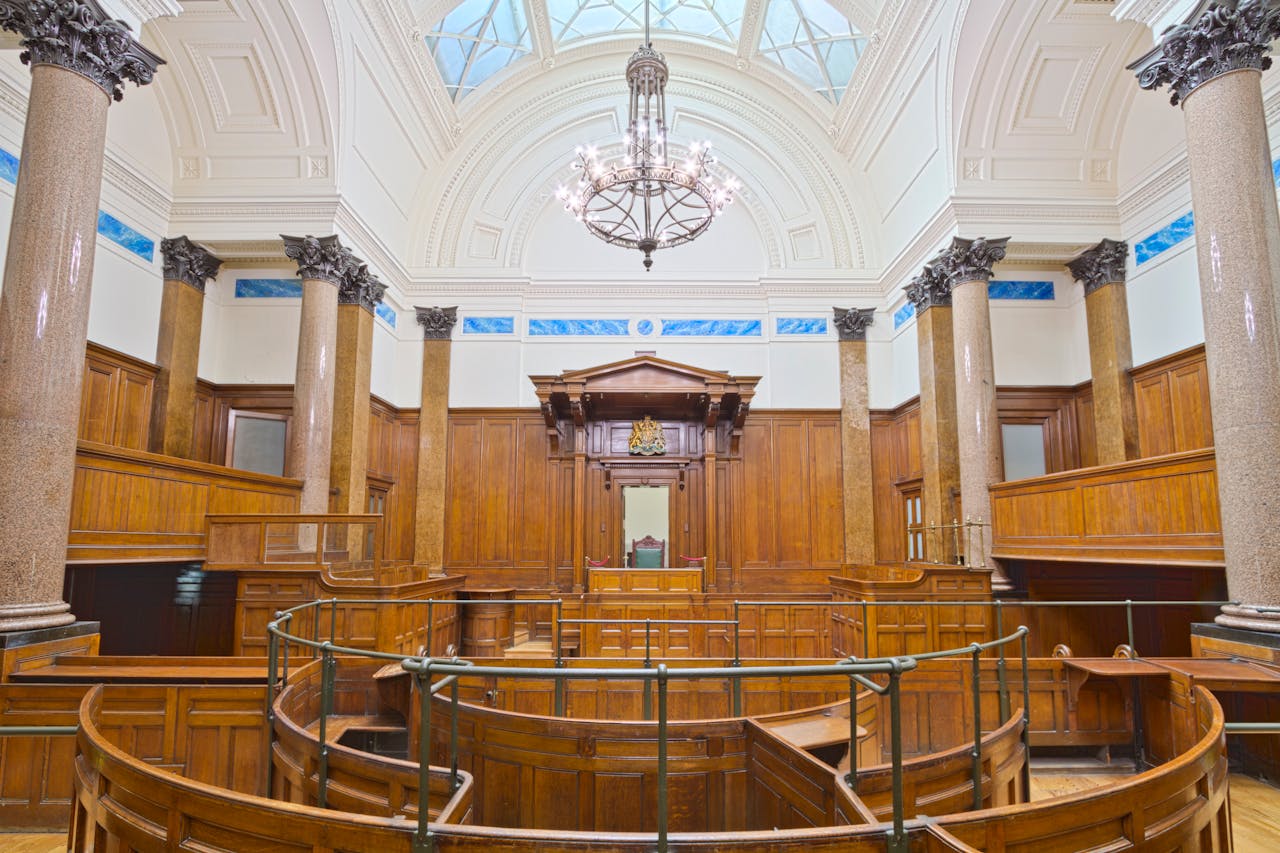
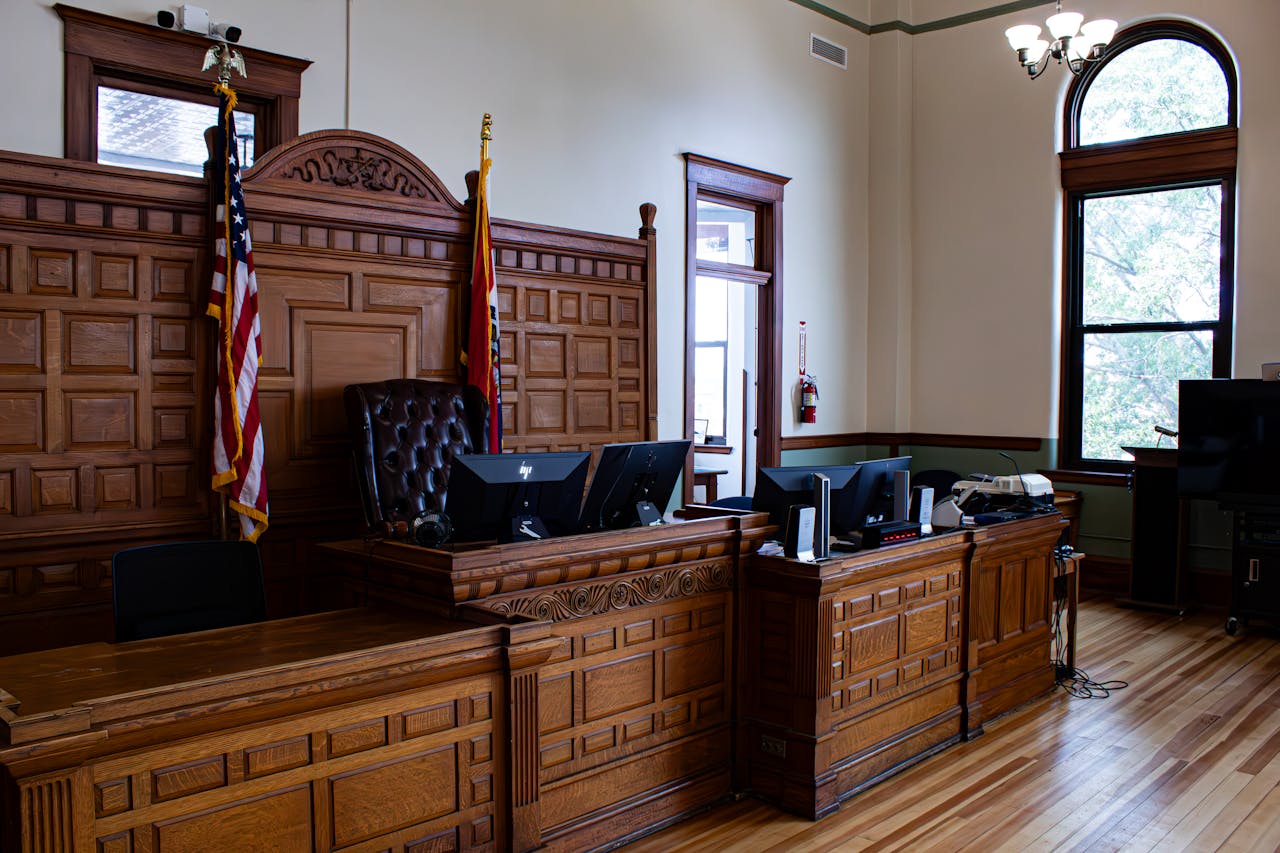
Even in today’s digital world, not all court filings in California can be done online. Many courts still require physical filing for specific case types, documents, or circumstances where electronic options are unavailable. This means delivering printed forms, motions, and legal papers directly to the courthouse clerk’s office to be date-stamped and officially entered into the case record. While this process preserves accuracy and a reliable paper trail, it can be complex and time-sensitive. That’s where Bay Area File comes in—ensuring your documents are delivered correctly, on time, and fully compliant with each court’s requirements.
Key Takeaways
- Physical filing is still required for some document types, some case types, and some jurisdictions in California, so it’s important to check court rules prior to submission.
- Well-prepared documents, meaning correctly formatted with original signatures and assembled according to court requirements, are less likely to be rejected and more likely to be efficiently processed.
- Pro se litigants and attorneys should take advantage of resources like clerk’s offices and court instructions to figure out complicated filing requirements and prevent errors.
- For example, in the case of a technology failure, many court systems may need to accept physical filing, so contingency planning is critical.
- Following the local court mandates and routinely monitoring for procedural updates helps ensure compliance and minimize delays, particularly since there are some substantial county-to-county variations.
- Prudent budgeting of filing fees, service costs, and fine-print expenses, along with accurate record-keeping, fuel-efficient case management, and avoiding financial surprises.
When Physical Filing Is Required
In California courts, physical court filings remain necessary for certain legal documents and circumstances, despite the rise of electronic filing platforms. Bay Area File specializes in handling these requirements, making sure filings are accepted without delay, especially for next court day submissions.
1. Specific Document Types
Certain court rules require the filing of some legal documents, particularly in local courts where physical court filings are still essential. Courts are very much in need of original, “wet” signature documents, as they don’t accept digital signatures on every filing. For instance, summons, complaints, and certain motions often require physical submission. When a document contains multiple exhibits, especially large ones like a 900-page Exhibit B, the court may permit e-filing of the main document but require a physical filing for the jumbo-sized exhibit. Bay Area File can manage these mixed filings efficiently, ensuring compliance.
2. Certain Case Categories
In some cases, such as family, probate, or certain criminal law, still necessitate physical court filings. Certain courts in California, including Sacramento County Court and San Bernardino County Court, limit e-filing for these types to preserve document integrity and privacy. Bay Area File helps attorneys and individuals meet these requirements with accurate, on-time delivery.
3. Court-Specific Mandates
Each court prescribes its own physical court filings. Local rules may dictate that specific legal documents, such as sealed records or those that require authentication, must be filed only in physical form. Specialized courts, such as probate or juvenile dependency proceedings, may impose more stringent requirements due to the nature of those cases. Additionally, courts often change their requirements, so keeping abreast of court notices and procedural changes is essential. Bay Area File stays up to date on these changes so clients don’t miss critical details.
4. Self-Represented Litigants
Pro se litigants often struggle with court filings, especially when secure e-filing is unavailable or converting documents into accepted formats proves difficult. Local court self-help centers provide vital resources, including step-by-step instructions and sample forms. Understanding court hours and physical drop-box filings is crucial for ensuring timely compliance. Bay Area File provides support so even first-time filers can navigate the process with confidence.
5. Technology Failures
Tech failures can hinder your ability to file electronically, making it essential to consider physical court filings as an alternative. Courts frequently issue emergency notices indicating that when systems are down, physical presence for filing is permitted or required. With Bay Area File, you always have a reliable backup for filing needs during outages.
Navigating County Court Variations
Physical filing in California courts isn’t just about knowing state rules; it’s also about understanding the local variations that affect court filing orders. Each county court can establish its own procedures for filing and serving documents. For a multi-county filer or a first-timer, these little details can significantly impact efficiency. Bay Area File works across all 58 counties in California, managing the unique requirements of each court.
A checklist for every county is an easy but powerful resource that can streamline your filing needs. It should provide the right court address, formatting rules for legal documents, and applicable fees. Checking if a court wants hard copies or accepts e-Filing is key to avoiding delays. While most courts in California now require text-searchable PDFs for e-Filing, physical filings still necessitate paper copies that conform to specific formatting rules. The checklist can also indicate whether the court requires a self-addressed envelope for return copies or if additional copies are needed for the judge. For remote proceedings, be sure to note the rules for providing notice to appear, as this timing may change, especially for short-notice hearings where serving notice concurrently with filing is essential.
As such, knowing which courthouse is appropriate for a specific case type saves you valuable time and effort. Family law, probate, and civil cases all have different filing windows, even within the same building. If you file at the wrong counter, the court clerk may turn away your papers. Some counties even divide filings between branches by city, so perusing the local court’s website or phoning the clerk can prevent confusion and ensure compliance with local procedures.
County courts frequently change their rules in response to new legislation, public health necessities, or technology shifts. Some now allow individuals to appear via video but might require specific platforms or give the judge authority to mandate in-person appearances if equity or technology constraints render remote hearings challenging. Reviewing court notices, signing up for alerts, or checking the court website before every filing can help catch these changes. Even a minor rule shift, such as a new notice requirement for remote hearings, can tip the scales for a legal matter.
The Physical Submission Process
Physical filing in California courts entails physically dropping off legal papers at a courthouse, frequently prior to a hard deadline. It is an intricate, deadline-driven process that requires exactitude to prevent tardiness or dismissal. Bay Area File simplifies this by offering trusted same-day and next-day filing services.
Physical Submission Steps:
- Review court requirements and deadlines, noting specific cut-off times, such as 16:00.
- Gather all original documents, copies, and necessary forms.
- Confirm the correct courthouse and exact department for submission.
- Choose a filing method: at the counter, drop box, or mail.
- Prepare proof of service and courtesy copies as needed.
- File papers, pay fees, and receive receipts stamped.
- Keep all records, invoices, and confirmations for future reference.
Court Document Preparation
Meticulous document preparation is at the heart of effective physical filing. Originals and copies have to correspond to court requirements, in content and format. All papers must be signed and dated and in the order indicated by the court. A single missing signature or wrong order can lead to rejection, wasting precious time.
Templates and sample forms from the court website can save you from formatting mishaps. A uniform style of paper and type helps the processing and makes you look professional.
Filing Courtesy Copies
A few courts ask for courtesy copies for judges or staff as well, besides the originals. You’ve got to check local rules for each courthouse; requirements vary by location and judge. For instance, a judge might request two additional copies. These copies frequently make their way to opposing counsel.
Mark each cc with the case number and who it is to. This minimizes the confusion and makes sure the right guy gets the right papers.
Filed Proof Of Service
Service of process is required for the majority of filings, demonstrating that all parties have been given the documents. It can be served in person, by mail, or sometimes electronically, but California law sets tight standards for each. Proof must name who was served, how, and when.
Attach the filled-out proof to your filing. Retain a copy for your files. This shields your file from allegations of defective notice and maintains your compliance with the court rules.
The Clerk’s Office
The clerk’s office is the initial destination of most physical submissions. Know their hours and location; certain offices close early, or have narrow windows for filings. Filing clerks respond to queries, explain forms, and handle payments.
Inquire about filing fees, accepted forms of payment, and how to obtain stamped copies. They save a stack of common errors, and the staff can help you avoid them. Leverage their know-how to get your submission accepted without a hitch.

Critical Formatting And Assembly
Physical court filings in California courts require adherence to specific guidelines regarding the appearance and formatting of legal documents. This critical formatting and assembly help maintain court files that are readable, organized, and consistent for all parties, ensuring that local courts can efficiently manage core litigation tasks and avoid delays in your case.
Paper And Ink
Use normal white, good-quality paper, invariably 8.5 x 11 inches in size, as mandated by the California Rules of Court. Use black ink, as blue or colored ink can be discarded. Courts want nice, clean, crisp copies and don’t allow smudges, faded print, or marks. Never use colored paper, glossy sheets, or any decorative backgrounds, as these can complicate court filings and affect scanning and archiving. All pages should be readable, and verify that there are no printing issues, holes, or streaks. Presentation counts; using solids makes your filing appear professional and demonstrates respect for the legal proceedings.
Hole Punching
Hole punching is not merely neat; it’s crucial for court filings in California. California courts require holes punched at the top, two holes, 7 cm apart, and 1.3 cm from the top edge to align perfectly with standard court file folders. Avoid punching holes on the side or bottom, as that can complicate handling legal documents. Additionally, be aware of your local court rules, since variations may exist from county to county. Play it safe to tame it.
Fasteners
Bind your legal documents with solid paper fasteners like two-prong clips and Acco fasteners, ensuring they comply with the requirements of local courts. Avoid using staples if the court prohibits them, as they can obscure text or other critical information. Position fasteners at the top, alongside the punch holes, so the file lies flat when opened. Remember, loose pages can get lost. Secure any documents before your court filings at the San Bernardino County Court or Sacramento County Court.
Exhibit Tabs
Exhibit tabs keep evidence and attachments organized for legal documents. Tab it with labeled tabs along the right edge, not the top or bottom. Labels must correspond with the exhibit numbers/letters in your paper, which is essential for court filing orders. This accelerates review during argument. Some courts permit color-coded tabs, which are really useful on big court filings. Still, read the local procedures first, as some allow only plain white or manila tabs. Tabs cannot hide text or page numbers.
Why Physical Filings Get Rejected
For example, physical filings get rejected in California courts because of a combination of nitpicky procedure and formatting requirements. Courts want every document to comply with state and local rules. Even for those in the know, the local rules vary from county to county. What works in one jurisdiction gets rejected in others, so knowing the specific rules for each court is key.
Common reasons for rejection include:
- Missing or incomplete signatures on forms or declarations
- Lack of required attachments or exhibits
- Incorrect or inconsistent case numbers or party names
- Not reserving a hearing date or providing the reservation number
- Noncompliance with court formatting rules, such as margins, paper size, or font.
- Missing bookmarks or improper indexing in multi-part filings
- Not following binding and assembly standards
Courts demand formatting compliance. If your document isn’t bound, tabbed, or indexed as requested, it might not even survive the clerk’s desk. Other courts may request documents to be bookmarked; miss one bookmark, and your entire filing gets rejected. For instance, a motion that contains multiple exhibits has to have a neat index and each exhibit bookmarked, or it won’t be accepted.
Filing completeness is another frequent trap. All forms must be signed and all required attachments included. If a declaration is unsigned or if any evidence is absent, the filing will be rejected. Another common problem is forgetting to reserve a hearing date. Most superior courts require the reservation number on the cover page; if it’s missing, your filing won’t be accepted. For civil matters, book a hearing date no less than 60 days in advance, as courts have limited availability and last-minute requests are rejected.
Mistakes or mismatches can lead to a filing being rejected. Clerks look for consistency in case numbers, party names, and document titles. If anything doesn’t line up with what’s on the books, the paper gets returned. Fixing these mistakes quickly matters. Illegible, incomplete, or damaged scanned documents can be problematic and lead to delayed or even a complete re-submission.
The True Cost Of Filing
Filing papers in person at California courts is about more than the paperwork; it carries other direct and indirect expenses. Every stage, from document preparation to payment methods and compliance, presents costs that can accumulate rapidly and impact both individuals and organizations. Below is a quick reference table outlining core filing costs in California courts:
|
Item |
Typical Cost Range |
Notes |
|
Basic Filing Fee |
$393-$500+ |
Depends on case type, jurisdiction, and document size |
|
Copying Charges |
$1-$0.10 per page |
Adds up for multi-page filings |
|
Credit Card Charge |
2.89%-3.3% per transaction |
percent fee on total price |
|
ACH Payment Fee |
$0.25-$1 flat fee |
much cheaper than credit |
|
Human Filing |
Unpredictable |
Encompasses work, moving, and hours |
Filing Fees
Filing fees in California courts are not standardized and can vary extensively by case type, court, and jurisdiction. For instance, a basic 10-page document can run at least $500, with extras for complicated matters. Surprisingly, only 20-21% of the fee remains with the court; the rest usually accounts for administration and middlemen, which is what a lot of filers miss.
There are fee waivers available for qualifying individuals, but he application process can be intensive and draining. Monitoring fee schedule modifications remains important, as such tweaks affect budgeting and planning for individuals and firms alike. It accepts credit cards, which usually come with a 2.89% to 3.3% surcharge, and ACH payments, which tend to be less expensive and have flat rates ranging from $0.25 to $1. Securing payment up front avoids needless stalling.
Service Costs
Serving papers carries fees as well; you need to hire process servers or send things certified mail. It’s these costs that scale with how complicated your case is and how many things you need to file. In some cases, bundling services with other mandatory filings can lower your costs and keep you within the confines of court rules.
If service is late or insufficient, it can extend case timelines, which can affect results. Keeping an eye on service fees and incorporating them into the filing budget is important, particularly when refilling is probable. Alternative service methods, including electronic notice where allowed, can be less expensive but aren’t universally available.
Hidden Expenses
|
Hidden Expense |
Typical Cost (USD) |
Example Impact |
|
Printing and Supplies |
$50-$200/month |
Ongoing costs for paper, ink, and equipment |
|
Staff Time |
Variable |
Manual prep and court visits |
|
Travel |
$10-$100/trip |
Court runs add up over time |
|
Storage and Archiving |
$100-$500/year |
For long-term document retention |
Incidental are the hidden expenses, like annual material costs, paper, ink, printers, that pile up, year after year. Law firms and individuals encounter travel expenses for court visits, particularly in metropolitan regions like Sacramento County Court, which can be substantial. Keeping track of your filing expenses allows you to see where the trends are and manage your budget accordingly. Others turn to court-filing experts for filing support to avoid the grueling manual work and simplify the process, but such services charge a fee.
Final Remarks
To file papers in California courts, these straightforward steps help smooth the way. Each court requests its own items, so always review local rules first. Certain courts require hard copies for certain filings. Silly things such as incorrect covers or overlooked signatures can prompt rejections. Since fees vary by case and court, look out for additional fees. To stay sane, organize your papers, select the correct forms, and check again before you submit. It’s a sluggish procedure at times, but a touch of attention at the outset saves minutes down the line. For changes, check court sites or consult the clerk. For additional advice, real court filing support, or to make the process easier, Bay Area File is here to help. Read our blog or contact us with your questions.
Frequently Asked Questions
1. When Do California Courts Require Physical Filing Of Documents?
In California courts, physical court filings are necessary when e-filing is not available or when the court mandates hard copies for specific case types, signatures, or exhibits. It’s crucial to consult local procedures for each court for detailed requirements.
2. Do Physical Filing Rules Vary By County In California?
Yes, physical court filing rules vary even between counties, such as the San Bernardino County Court and the Sacramento County Court. Every court has different procedures, deadlines, and formats that it accepts, so check your local court’s website or clerk for current requirements.
3. What Is The Process For Submitting Documents Physically To A California Court?
Get your legal documents in order, with all the appropriate covers and labels, and have them in front of the court clerk either in person or via drop box filings after hours.
4. What Are Common Reasons For Physical Filings Being Rejected?
Filings frequently get rejected due to missing information, improper formatting, or fees, so ensure you confirm all the requirements for court filings at each step to avoid delays.
5. How Should Documents Be Formatted For Physical Court Filing?
Print legal documents on the appropriate paper size (typically A4 or letter), ensuring margins and coversheets are added when necessary, following local court guidelines for court filings.
Simplify Your Legal Workflow With Bay Area Files’ Seamless e-Filing Solutions.
Simplify your legal filings with Bay Area File’s advanced Alameda County eFile Services. Whether you’re an attorney in Oakland, a paralegal in Fremont, or a law firm in Hayward, our e-Filing solutions are designed to save you time, reduce errors, and ensure every submission is compliant with court requirements. With over 20 years of experience and a 99% first-time acceptance rate, we understand the challenges of legal filings and deliver unmatched reliability.
Imagine uploading your documents through our user-friendly portal, submitting with ease, and receiving real-time confirmation of court acceptance, all without leaving your office. Need extra support? Our concierge e-Filing service ensures personalized assistance, so you can focus on what matters most: serving your clients.
Located near Alameda County Superior Court, we offer the perfect combination of advanced filing technology and hands-on service, something you won’t find with larger, virtual-only providers. From courtesy copies to document retrieval, we’ve got you covered with a full range of services tailored to your needs.
Don’t let filing delays or rejections slow you down. Create an account today and experience the convenience, speed, and accuracy of Bay Area File’s Alameda County eFile Services. Your streamlined legal workflow starts here.
Disclaimer
The materials provided on this website are for informational and educational purposes only and are not intended to constitute legal, professional, or any other advice. You should consult a qualified professional for advice tailored to your needs or circumstances. Do not act or refrain from acting based on the content of this site without seeking appropriate legal or other professional guidance. The information presented here may not reflect the most current legal or industry developments. No actions should be taken in reliance on the information provided on this website. We disclaim all liability for any actions taken or not taken based on the content of this site to the fullest extent permitted by law.