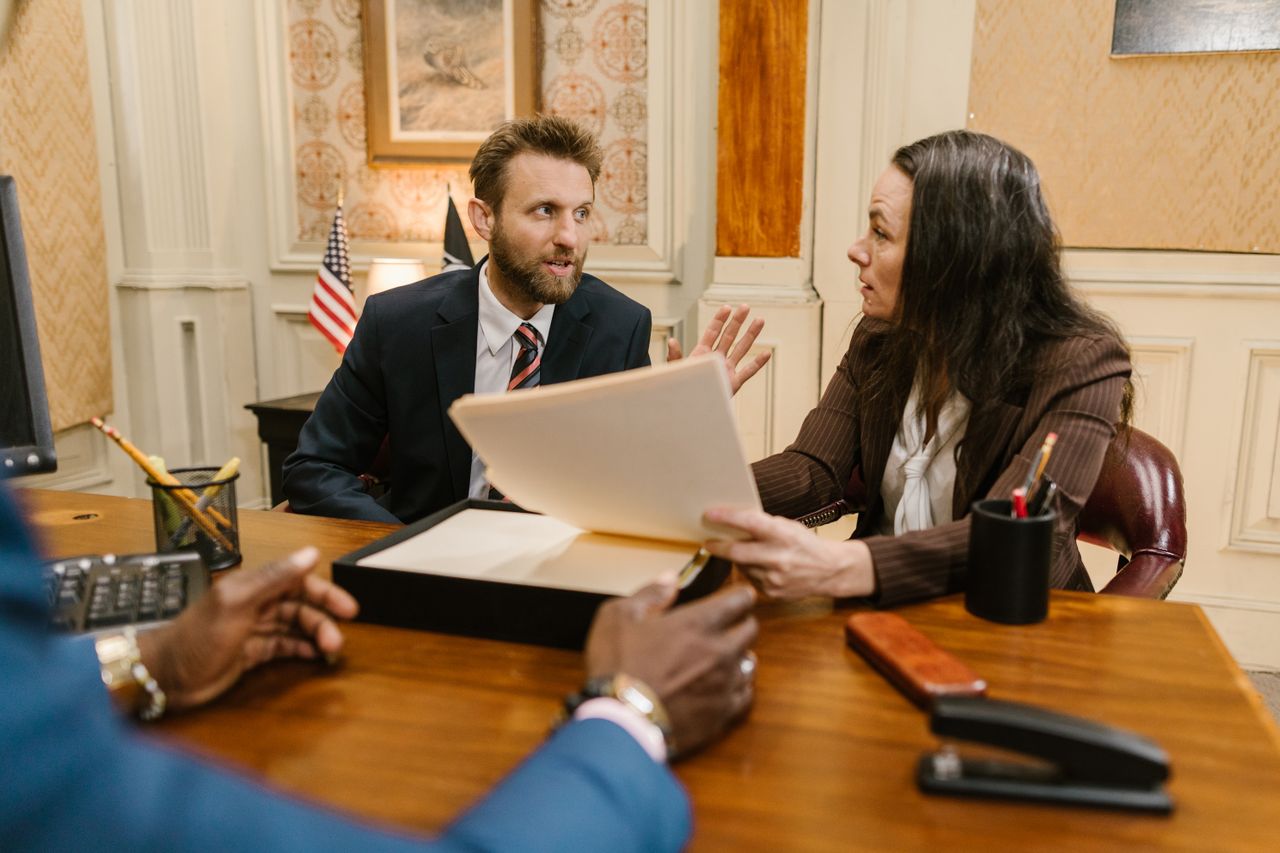
Alameda County judges who still need physical copies frequently list these rules in local court orders and department rules. Others still want paper files for civil, family, or probate matters, although the majority of filings now utilize electronic filing systems. Such requests can change frequently, and court staff and local bar associations maintain updated lists to assist with planning. Rules are not identical in every courtroom, so attorneys tend to call the clerk or consult the court’s online portal before hearings. Being aware of which judges still want paper copies can save you time and last-minute headaches. In the next section, find a list of specific judges with these needs, along with practical tips for managing these demands in your day-to-day practice.
Key Takeaways
- Attorneys should confirm each Alameda County judge’s filing preferences, as numerous judges still require physical copies for specific case categories, especially civil, family law, probate, and certain criminal cases.
- Whether or not copies are required to be filed depends on the local rules of the court and sometimes even the judge.
- There are still some technology gaps and habits of individual judges that keep some requiring paper. This is why it is important to keep tabs on court tech updates and adapt your workflows.
- Practitioners should create consistent, dependable routines for document delivery, tracking, and staff training to lower overhead and limit mistakes in both hard copy and electronic submissions.
- As with most regional and national trends, there’s a slow push towards digital filing. Alameda County attorneys should be aware of changing standards to stay competitive and compliant!
- Through proactivity, you can make your own life easier even if the court system itself is slow to catch up.
Alameda County Judges Requiring Copies
Alameda County Judges insisting on copies. Judges can enforce these mandates as they see fit by case type and division. Knowing which judges require copies and for which filings is critical to avoiding rejection and expensive delays. The sections below break down the mandates by division and give practical guidance on how you can comply.
1. Civil Division Mandates
Some of my beloved civil division judges in Alameda County still require physical courtesy copies for almost all motions and applications. Importantly, these hard copies must mirror what has been e-filed with Form 202-19 (Civil Case Cover Sheet Addendum), necessary for unlimited civil actions,s in addition to statewide Form CM-010. Courtesy copies are not necessary for administrative records in writ proceedings, but for the vast majority of other issues, hard copy provision on time is essential. The deadline is noon on the court day after filing, except for in limine motions or urgent matters with hearings in two or fewer court days, which must be delivered the same day. Any failure to do so may cause filing rejection or delayed hearings. For all courtesy copies, please enclose, label, and caption as local rules.
2. Family Law Preferences
Alameda County family law judges typically prefer, and in some cases demand, paper for specific types of filings, most notably motions for temporary orders, custody, or financial disclosures. These judges may strictly enforce labeling standards, requiring that envelopes be labeled “UNDER SEAL” or “REDACTED,” as applicable. These preferences can make workflow more difficult for lawyers accustomed to e-filing. These procedural rules change often, so a consistent reading of local updates is key to compliance.
3. Probate Court Rules
Alameda County Probate judges have rules for physical document filing, particularly for petitions, accountings, and proposed orders. Probate filings that require paper copies need to have very specific formatting and labeling, or they will be delayed. In estate planning and administration, a lost physical filing can throw off schedules and put cases at risk. Staff lists directing delivery need to be updated every three months.
4. Criminal Division Exceptions
While the majority of criminal filings are digital, exceptions persist. Certain judges need physical copies for sentencing briefs or evidentiary submissions. Omitting these requirements risks sanctions or continuations of your hearing. With criminal court procedures shifting, practitioners need to check for updates before each filing.
5. Verifying Judge-Specific Rules
Check the court website and staff for judge-specific requirements. Online lists, updated quarterly, track which Alameda County judges require hard copies or accept e-filings. Maintaining a checklist and checking with clerks minimizes mistakes and uncertainty.
Why Physical Copies Persist
Physical copies continue to grace many Alameda County courtrooms, even as digital filing spreads. Court procedures, local rules, and lawyer habits all fuel paper’s continued use. As e-filing grows, paper still accounts for what is needed that electronic filing can’t provide.
Judicial Habit
Judges are old dogs, particularly when it comes to filing. Many judges still find paper simpler to annotate, organize, and reference in court. Others are paper zealots, ordering physical binders for case summaries or evidence, and this can become the default court-wide practice. These personal quirks influence the workflow not only for judges but for all court staff, who have to adapt to each jurist’s manner. Legal teams can’t always remember which judge wants paper and which will take files digitally, complicating every filing. The legal field, glacial in its pace, tends to maintain deliberately persisted legacy practices as technology advances.
Technology Gaps
Some courts don’t even have the technology for full e-filing. Not all case types or document formats work digitally, and some court software can’t handle massive files or sophisticated exhibits. For example, documents with original signatures or physical seals often must be filed in person since e-filing systems might not accommodate these. When systems are down or not available, paper filings ensure that filings meet their all-important court deadline. Old software poses risks of data loss or privacy leaks, so physical filings may be a more secure choice for sensitive info. Updating these systems involves additional fees and training, so change is slow. Investing in strong, secure e-filing platforms and user training can help bridge these gaps over the long term.
Major Litigation
- Certain filings are more complicated and easier to monitor and validate on paper.
- Physical copies are tangible evidence that assist in satisfying strict court rules about deadlines.
- Courts might restrict e-filing for confidential or sealed documents to preserve their confidentiality.
- Original signatures or seals often require paper submissions.
Legal teams have to go the extra mile for complicated matters, like prepping duplicate sets or monitoring hand delivery. Paper filings contribute to expenses and overhead, from fees to couriers or intermediaries. These complications require a lot of paper for many multi-step, high-stakes fights.
Navigating The Hybrid System
Alameda County’s hybrid filing system mixes online and paper. Such a strategy requires users to monitor each judge’s habits, as a few still demand paper for certain issues, and others have entirely embraced submissions via secure e-filing portals. Navigating this hybrid system requires finesse and attention, particularly for caseworkers dealing with various departments and case types. Attorneys, paralegals, and legal professionals need to stay on top of changing court rules to remain compliant, as well as efficient and timely.
E-Filing Portal Nuances
The e-filing portal in Alameda County is friendly when you know its quirks. It only takes a couple of minutes to create an account, and the portal walks you through each important step. Electronic filing means you receive immediate confirmation and can access your document status online at any time, facilitating a faster process than physical filing. They have severe limits on file size, generally in the 25 to 35 MB per file range, and strict document naming conventions that will get you rejected if you don’t adhere to them. Users need to monitor the portal for deadline changes and updated instructions, as rules and cut-off times can change with little warning. For troubleshooting, the portal provides transparent guides and a help desk, but browsing the FAQ page before contacting usually pays off.
Delivery Method Protocols
There are still paper filings, most commonly for urgent motions or when a judge asks for hard copies. You need to be aware of each court’s delivery hours and accepted methods. Some accept hand delivery, while others require mail or courier. If you want to be optimal, establish a tracking system with delivery receipts or logs so nothing gets lost. Missing a deadline because of a lost document is preventable with the proper safeguards. Always check with the clerk’s office to make sure it was received, particularly for same-day or rush filings.
Avoiding Common Rejections
Understanding why filings get rejected will save time and frustration.
- File size exceeds the portal’s maximum (25-35 MB limit).
- Incorrect document naming or missing required cover pages.
- Typos in case numbers or party names.
- Blank forms, missing signatures, or incomplete sections.
- Submitting the wrong document type for the case category.
Check every document for errors prior to submission. Being able to train staff on these pitfalls can cut costly blunders and delays. Keeping current on the formatting rules and court staff clarification when in doubt keeps the system humming.

The Practitioner’s Burden
Alameda County’s shift to digital filing has not stopped the need for physical courtesy copies. For many practitioners, this hybrid paradigm produces a special burden that extends beyond mere document processing. Exacting compliance, risk management, and cost analysis are necessary to avoid case delays and stay lean.
Increased Overhead
- Legal teams have more overhead if physical submissions are still needed. Each physical copy carries with it printing costs, paper-buying costs, and shipping costs. These costs pile up, particularly with high-volume casework. A small firm may pay several thousand dollars extra per year simply in courier fees and supplies.
- The necessity of carrying books makes for additional rental costs. Papers have to be stored in secure, climate-controlled spaces, and that’s not inexpensive. Misplaced pages or inadvertent shuffling can lead to expensive reprints or worse, fines.
- To save money, companies are on the lookout for bulk printing discounts or automated mailing services. This does assist, but the savings are counterbalanced by staff still having to second-guess the recipient lists and maintain updated records.
- Overhead like this eats right into profit margins. For solo practitioners or smaller firms, these costs can make particular forms of litigation less cost-effective.
Malpractice Risks
- Working physical filings increases the probability of mistakes. A single missed courtesy copy or filing to the wrong judge can put a case on hold for months. With deadlines frequently carved in stone, the room for mistakes is limited.
- Errors can signify sanctions, negative decisions, or even malpractice allegations. Courts demand strict compliance, and even technical lapses are taken seriously.
- To control for risk, firms implement checklists and review steps, yet human error is ever lurking. Training staff to check every detail three times assists,s but it is seldom perfect.
- Continuing education is essential. Rules about courtesy copies and e-filing change, and teams have to keep up with the updates to avoid expensive errors.
Strategic Disadvantages
Companies using paper files endure slower response times and hard scalability. This can affect client satisfaction and erode a firm’s competitive advantage, particularly when competitors deploy slick digital tools. Depending on manual processes, practitioners are subject to missed deadlines and reputational damage. Moving to cloud-based document storage or employing workflow automation tools can mitigate some of the downsides and keep firms agile as filing demands continue to shift.
A Comparative Outlook
Court filing requirements in California and throughout the US are not standard. Alameda County, among others, has to operate in an environment where local customs, court technology, and changing laws all influence how lawyers file, exchange, and handle documents. If your practice spans multiple jurisdictions, the physical and electronic filing differences can be significant.
Regional Differences
Filing requirements in California vary widely from county to county. For example, Alameda and San Francisco both demand courtesy copies, but one likes them on paper, and the other prefers digital. Other counties, such as Los Angeles, have put resources into cutting-edge e-filing, enabling digital submissions and even remote case access. Smaller counties may not have such infrastructure, yet still require paper copies for certain motions or hearings.
|
County |
E-Filing Mandatory |
Courtesy Copy Required |
Accepted Formats |
|
Alameda |
Yes |
Sometimes |
PDF, TIFF |
|
San Francisco |
Yes |
Yes |
|
|
Los Angeles |
Yes |
Sometimes |
PDF, JPEG |
|
Marin |
No |
Yes |
Paper |
Lawyers who practice across counties have to adjust to each system. That doesn’t just involve knowing different technical requirements, such as file format and portal access, butalso anticipating procedural quirks, such as after-hours filings and how to navigate server downtime or failed uploads. These obstacles introduce compliance hazards and bog down workflows.
Some collaboration between counties to standardize practices would serve us all well. Common e-filing portals, standard formats, and coordinated courtesy copy rules,s,f or example, could minimize hassles, streamline filings, and reduce expenses.
National Trends
|
Filing Method |
2010 |
2015 |
2020 |
2023 |
|
Paper |
55% |
35% |
18% |
11% |
|
Digital/E-filing |
45% |
65% |
82% |
89% |
Across the country, courts are transitioning to electronic filing. Paper courtesy copies remain. While AI and automation highlight mistakes or omissions before submission, paper forms continue to act as a fallback, providing reassurance when online platforms falter or when privacy regulations, like California’s CPRA or the EU’s GDPR, require additional caution. Legislative changes, typically motivated by revealing privacy cases or technology failures, can change filing requirements rapidly. Legal teams have to track these changes, refresh workflows, and ensure all filings, emergency after-hours or otherwise, conform to new regulations. The future looks digital, but a few paper-based processes will surely linger, particularly where tradition or the law requires it.
Future Filings
Court filings in Alameda County stand on the brink of genuine transformation. The push to digital is powerful and persistent, not only in this jurisdiction but in much of the rest of the world. Courts want to reduce the paper clutter and streamline. E-filing, as it’s known, is now standard in a lot of courts. It provides filerwith s immediate confirmation that the court received their documents. It allows individuals to track the status of their cases on the web, thereby reducing the opacity of the typical court filing procedure.
Tech is a big part of this transition. Online portals and e-filing systems assist in maintaining clear records and reducing errors. Most courts, including Alameda County, are supplementing filings with additional ways to file documents online and track them in real time. There are fewer lost papers and fewer errors that bog down cases. Of course, how people work with the courts will continue to evolve, with new, user-friendly systems probably replacing old paper-based ones.
Still, there are moments when submitting a paper copy is a necessity. Certain types of cases, special exhibits, or real ink signature documents still require in-person filing. Even when everything is going digital, courts frequently require things properly arranged, such as hole-punched or labeled papers, to align with their system. These rulings assist courts in maintaining order as they transition from paper to electronic.
The future will probably provide more means to serve papers electronically. Instead of major hand-delivering papers, courts may standardize sending documents online. That saves money because there is less printing and in-person delivery of papers. Meanwhile, courts will allow more individuals to manage their cases online, including self-service for attorneys and pro se litigants. It creates opportunities for additional access, especially for folks who cannot make it to the courthouse during business hours or who live at a significant distance.
Conclusion
To practice in the Courts of Alameda County, it’s useful to know which judges still want paper copies, so you can save time and stress. About which Alameda County judges still need paper? Many courts post rules only,ne but they can change quickly. To stay sharp, always check each judge’s page and chat with court staff if things seem off. Bring copies to hearings just to be safe. A lot of lawyers trade tales of overlooked details, so pass along what you discover. This mix of tech and paper is going to change, but for now, courts need both. Staying awake helps you keep up. For more real tips and updates on court practice, join the conversation on the Bay Area File blog or leave your own story below.
Frequently Asked Questions
1. Which Alameda County Judges Still Require Physical Copies?
Which Alameda County judges still want hard copies? I’d recommend checking the recent court orders or contacting the court clerk for the most current information.
2. Why Do Some Judges In Alameda County Still Require Physical Copies?
Some judges feel physical copies are easier to review, annotate, or archive. Some may be technologically limited, while others may go by tradition for legal or administrative reasons.
3. How Can I Find Out If A Judge Requires Physical Copies?
Consult the court’s official website or contact the judge’s chambers directly. Court clerks are able to tell you who still needs hard copies.
4. What Should I Do If I Am Unsure About Filing Requirements?
Check with the appropriate court clerk or legal assistant before your filing deadline. Early clarification prevents delays and ensures you’re following the court rules.
5. Are Electronic Filings Accepted In All Alameda County Courts?
Which Alameda County judges still need paper? Some departments or judges may ask for physical copies for certain documents or case types.
Court-Specific And Local Authority Support From The Bay Area File
Navigating court-specific requirements and local authority procedures takes experience, accuracy, and the right local knowledge. Bay Area File provides court-specific and local authority support for attorneys, paralegals, and law firms throughout Alameda and Contra Costa Counties. With more than 20 years of experience, our team understands how local courts operate and what’s required to keep filings, service, and case progress on track.
Instead of dealing with delays, rejected filings, or unclear court instructions, let us handle the details. We work closely with local courts and governing authorities to ensure documents are prepared correctly, submitted properly, and aligned with jurisdiction-specific rules. Whether you’re working with Alameda County Superior Court or nearby jurisdictions, we help reduce friction and prevent costly mistakes.
You’ll get clear communication, timely updates, and dependable follow-through. Our local presence means faster responses, practical insight, and familiarity with court clerks, procedures, and expectations. One-off requests, time-sensitive matters, or ongoing case support all receive the same level of care and precision.
Located near Alameda County Superior Court, we provide local authority support that out-of-area providers simply can’t offer.
Take the uncertainty out of court-specific requirements. Contact Bay Area File today for reliable local authority support that helps your cases move forward smoothly.
Disclaimer
The materials provided on this website are for informational and educational purposes only and are not intended to constitute legal, professional, or any other advice. You should consult a qualified professional for advice tailored to your needs or circumstances. Do not act or refrain from acting based on the content of this site without seeking appropriate legal or other professional guidance. The information presented here may not reflect the most current legal or industry developments. No actions should be taken in reliance on the information provided on this website. We disclaim all liability for any actions taken or not taken based on the content of this site to the fullest extent permitted by law.